
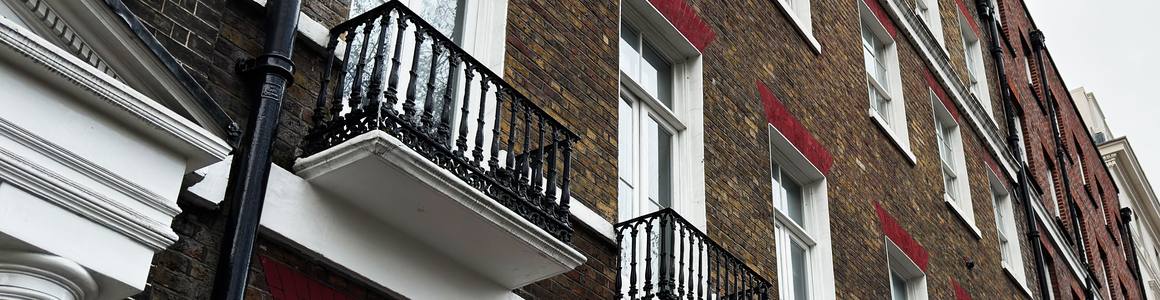
Sash Cord Repairs in London
We repair sash cords on traditional timber sash windows across London. A snapped cord is the single most common fault on a box sash window and one of the most straightforward to put right — there is very rarely anything wrong with the window itself. We take the sashes out, renew the cords, re-hang them to the weights so they balance and hold at any height, and put the beads back.
Because the sashes have to come out of the frame to be re-corded, it is also the one sensible moment to draught proof the window. That is the other half of what we do, and most of the windows we re-cord get draught proofed in the same visit — the labour is already spent, and it is what turns a working window into a warm, quiet one.
Repairs, not replacements. We work on timber sash windows only, right across Greater London, and estimates are free. Tell us the postcode, how many windows and what they are doing, and we will come back to you with a price.
What a sash cord is, and why it snaps
Inside the box frame of a sliding sash window, each sash hangs on a pair of cords. The cord runs up the side of the sash, over a small brass or iron pulley set into the pulley stile, and down inside the hollow box frame to a cast iron or lead weight. The weight is matched to the sash so the two balance: that is why a sound sash window stays wherever you push it instead of dropping shut.
The cord is the one part of that arrangement that wears. It is usually waxed cotton, it bends over the same point on the pulley every time the window is opened, and it spends a century in a dusty cavity. Sooner or later it frays at the pulley and goes. Paint makes it worse — generations of paint stiffen the cord and glue the sash into the frame, so the window is forced rather than slid, and the cord takes the strain.
Signs the cords have gone
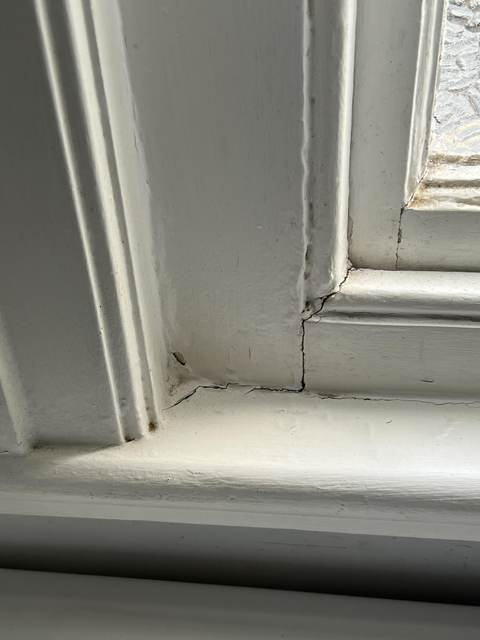
- The sash will not stay up. It drops shut as soon as you let go, or slides down over a few minutes. Classic broken cord on the bottom sash.
- The sash slams down. Both cords on that sash have gone, so nothing is holding it at all. This is worth fixing quickly — it is a genuine hazard, especially with children about.
- The window is heavy and lopsided. One cord broken, one intact: the sash lifts crookedly, jams in the frame and scuffs the stiles.
- A dull thump inside the frame. A weight that has come off its cord dropping to the bottom of the box.
- The top sash has dropped. Often ignored for years because the top sash is rarely opened, but it leaves a gap at the meeting rail that draughts pour through.
- A frayed cord visible at the pulley. If you can see the strands going on one, the other three are the same age.
What a sash cord replacement involves
There is a proper sequence to it, and skipping steps is why some re-cords last a couple of years and others last fifty.
- Cut the paint seal and take off the staff beads. The inner beads that hold the bottom sash in are scored free and prised out carefully so they can go back — on an original window they are usually worth saving.
- Take out the bottom sash and cut the old cords, easing the weights down rather than letting them drop.
- Remove the parting bead — the slim strip that separates the two sashes in the frame — and take out the top sash.
- Open the pockets. There is a removable panel low in each pulley stile giving access to the weight cavity. Old pockets are often painted shut and need freeing.
- Take out the weights, clean the cavity and check the pulleys. A seized or worn pulley wheel will chew a new cord in short order, so it gets freed, oiled or replaced.
- Feed and hang the new cords over the pulleys with a mouse and line, knot them to the weights, and set the length so each sash sits right at the top and bottom of its travel.
- Fix the cords into the sash grooves with clout nails, set below the surface so they cannot catch on the stile.
- Re-balance. The weights are matched to the actual sash — especially if the glass has been changed at some point — so the window holds at any height without being stiff.
- Refit the beads and ease the sashes so they run freely, then make good and leave the window ready for paint.
Why we renew the cords in pairs — usually all four
When one cord goes, the other three are the same age, have done the same work and are sitting in the same dust. This is not just our preference: the SPAB's own guidance is that if one cord breaks, it is worth replacing all those on the window. Replacing only the one that snapped means being back in the same window before long, and every return visit means taking the beads off again. We renew both cords on a sash as a matter of course, and where the sashes are out anyway we would normally do all four.
You can check the others yourself without taking anything apart: bend a length of cord sharply. If it is dry and cracks or snaps rather than flexing, it has had its life.
Cords, weights and pulleys
We use a good quality waxed cotton sash cord in the correct size for the window. Cotton is the traditional material and it is what a conservation officer will expect to see — it also matters on a listed building, where like-for-like cord renewal needs no consent precisely because it is the same material going back.
Size is chosen by the weight of the sash, not by habit. As a rough guide, an 8 mm waxed cotton cord is typically rated to a sash of around 50 kg, while an 8 mm pre-stretched nylon cord is rated to roughly double that. On a big plate-glass Victorian sash that difference decides the specification, and we will say when a synthetic cord is the sensible choice rather than the traditional one.
Weights are cast iron or, in older or narrower boxes, lead. Missing and mismatched weights are common — someone has been in before and taken a short cut — and a sash hung on the wrong weight is either too heavy to lift or creeps upward on its own. Balance is not fifty-fifty, incidentally: the accepted rule is that the upper sash should be slightly lighter than its weights and the lower sash slightly heavier, by roughly half to one kilogram, so each sash stays put rather than drifting. Axle pulleys that are worn, seized or have lost their wheel get replaced with the right pattern rather than whatever fits — a seized pulley will fray a brand new cord in short order.
One thing you can do to make cords last: keep them free of paint. Paint stiffens the fibres and is a direct cause of premature failure.
Draught proofing while the sashes are out
A sash window has to have a gap around each sash or it could not slide. As the timber shrinks and the beads wear, that gap opens up, and the result is the draught and the rattle everybody knows. The fix is a brush-pile seal set into the joinery — invisible from the room, and the sash still runs by hand.
The reason we press the point on this page is timing. Draught proofing means taking the sashes out and renewing the beads; a re-cord means taking the sashes out and renewing the beads. Doing them together costs far less than doing them a year apart, and you only have the disruption once. Read more on draught proofing sash windows, or on the different kinds of draught excluder and which are worth having.
Other things we put right at the same time
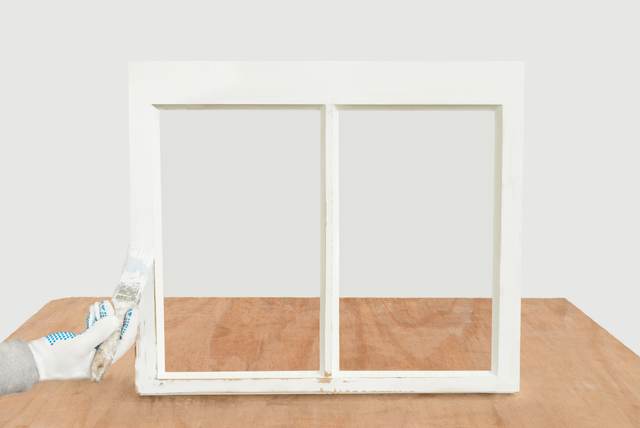
- Painted-shut and sticking sashes — cutting the paint seal, easing the stiles and getting the window opening again.
- Parting beads and staff beads — renewing split, over-painted or previously butchered beads, in the correct section.
- Rattling sashes — where the gap has opened up too far for a seal alone, packing and adjusting so the sash sits tight.
- Small areas of rot — cutting out soft timber at the bottom rail or sill and letting in new wood to match.
- Loose or missing furniture — fitches, sash lifts and meeting rail fasteners, which also pull the two sashes together and cut the draught.
- Cracked panes and failed putty — re-glazing and re-puttying in keeping with the window.
Areas we cover
We work across Greater London and the near suburbs. Most of our sash cord work is in the inner boroughs where the Georgian, Victorian and Edwardian terraces are thickest — Islington, Hackney, Camden, Kensington & Chelsea, Westminster, Hammersmith & Fulham, Tower Hamlets, Wandsworth, Lambeth and Southwark — and we go out regularly to Richmond, Ealing, Barnet, Haringey, Greenwich, Lewisham, Brent and Merton. If you are just beyond the M25 it is still worth asking.
Listed buildings and conservation areas
Repairing the original sash windows is exactly what is wanted on a listed building or in a conservation area, and re-cording is about as sympathetic as work gets: nothing of the window is lost, no original fabric is removed, and the finished job is invisible.
It is also, helpfully, one of the few jobs with a clear answer on consent. Historic England treat like-for-like repairs to timber windows as repair rather than alteration, and state that renewal of broken sash cords with new cords of the same material does not need listed building consent. Draught proofing is a slightly more careful question — stick-on strips are fine, but routing grooves into the sashes may require consent — and we set that out properly on the draught proofing page. If your building is listed, the conservation officer is the person to ask, and we are happy to put our method in writing for that conversation.
What does it cost?
It depends mostly on how many windows there are and what is being done to each. A single pair of cords on an accessible ground-floor sash is a modest job; a full overhaul — all four cords, new beads, draught proofing, easing and adjusting — costs more but is much better value per window, and doing several windows in one visit brings the price per window down noticeably. Upper floors, bays and anything needing access equipment add to it. We give a firm written price once we have seen the work, and there is no charge for the estimate. There is a fuller breakdown on the costs page.
Frequently asked questions
Can a sash cord be replaced without taking the window out?
The sash comes out, but the window frame stays exactly where it is. Nothing is removed from the building — the beads come off, the sashes lift out into the room, the work is done and everything goes back. It is far less disruptive than people expect.
How long does it take?
A single sash re-corded is usually an hour or two once the beads are off. A whole window — both sashes, four cords, beads renewed and draught proofed — is normally most of a day. Several windows in the same house go quicker per window, because the setting up is shared.
Should I replace one broken cord or all of them?
All of the ones on that sash, at least, and ideally all four in the window. The cords are all the same age and the same amount of work has gone through them. Replacing a single cord means paying for the access twice.
My sash window is painted shut. Can it still be repaired?
Yes, and it is very common. The paint seal is cut, the beads are freed and the sash comes out. Behind the paint the joinery is usually sound — being shut has kept the weather off it. Once the cords are renewed and the window is eased it will open properly again, often for the first time in decades.
Can you draught proof the window at the same time?
Yes, and we would recommend it. The sashes are already out and the beads are already off, which is the bulk of the work in a draught proofing job. Combining the two is much cheaper than having them done separately.
Do you replace sash windows?
No. We repair the windows that are there. If a window really has decayed beyond repair we will tell you honestly, but that is rare — most windows we are called to look at can be put back into good order for a fraction of the cost of replacing them.
Are lead sash weights a problem?
Not in normal use. The weights sit sealed inside the box frame and are not handled. We take the usual sensible precautions when they are out of the cavity during the work.
Some of our work
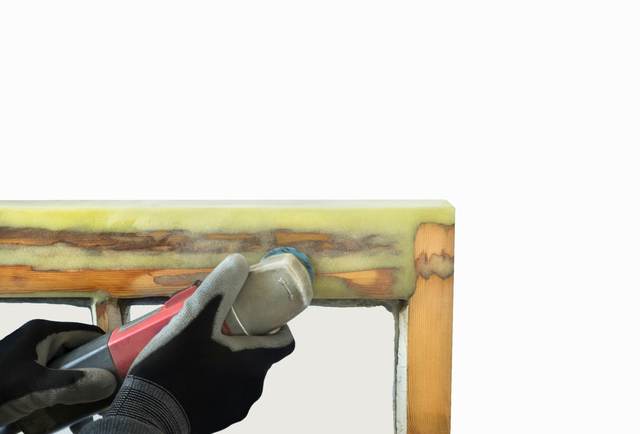
For a free, no-obligation estimate, please get in touch with the postcode, the number of windows and a short description of what they are doing. We cover London and usually reply within a working day or two.